
Joy in the Ordinary
A psychedelic photo archive becomes a book.

Growing up, Kate Steffens didn’t like having her picture taken. That is especially hard when your dad is Roger Steffens—who over a lifetime of taking photos, amassed a collection of 40,000 Kodachrome slides, hundreds of thousands of negatives, and countless digital files.
Today, Kate’s the Special Collections Librarian at San José State University and has worked as an archivist with photographers like Ann Summa, who took pictures of the early L.A. punk rock music scene, and the Bay area photographer Barry Shapiro. But the archive she has explored most deeply in is her family’s own.
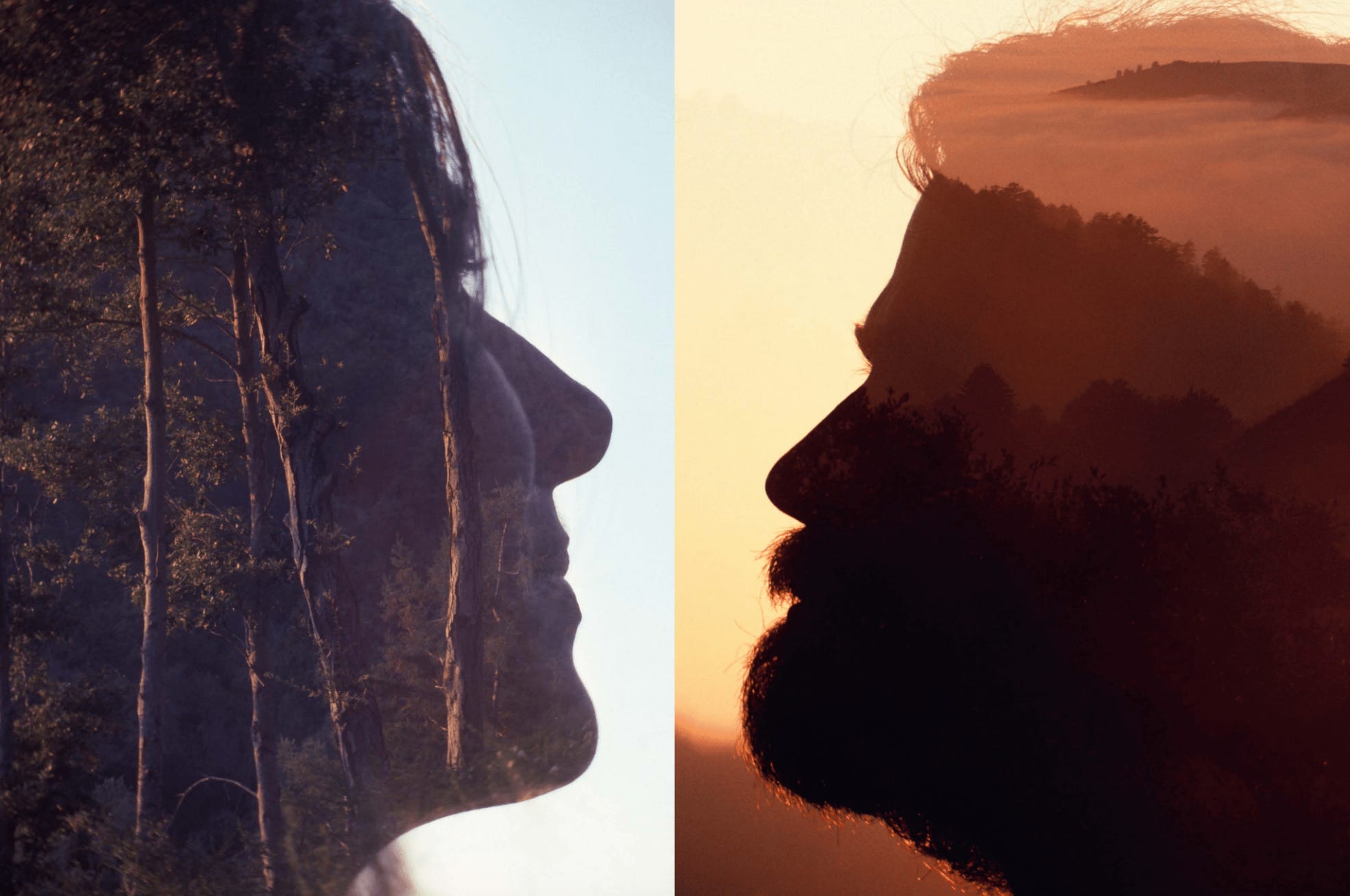
In 2013, Kate started posting photos from Roger’s vast collection to Instagram. She called the account The Family Acid, because Roger, who describes himself as “thoroughly psychedelicized,” has lived a life immersed in California’s counterculture, bringing friends like Timothy Leary and Nina Simone home to dinner.
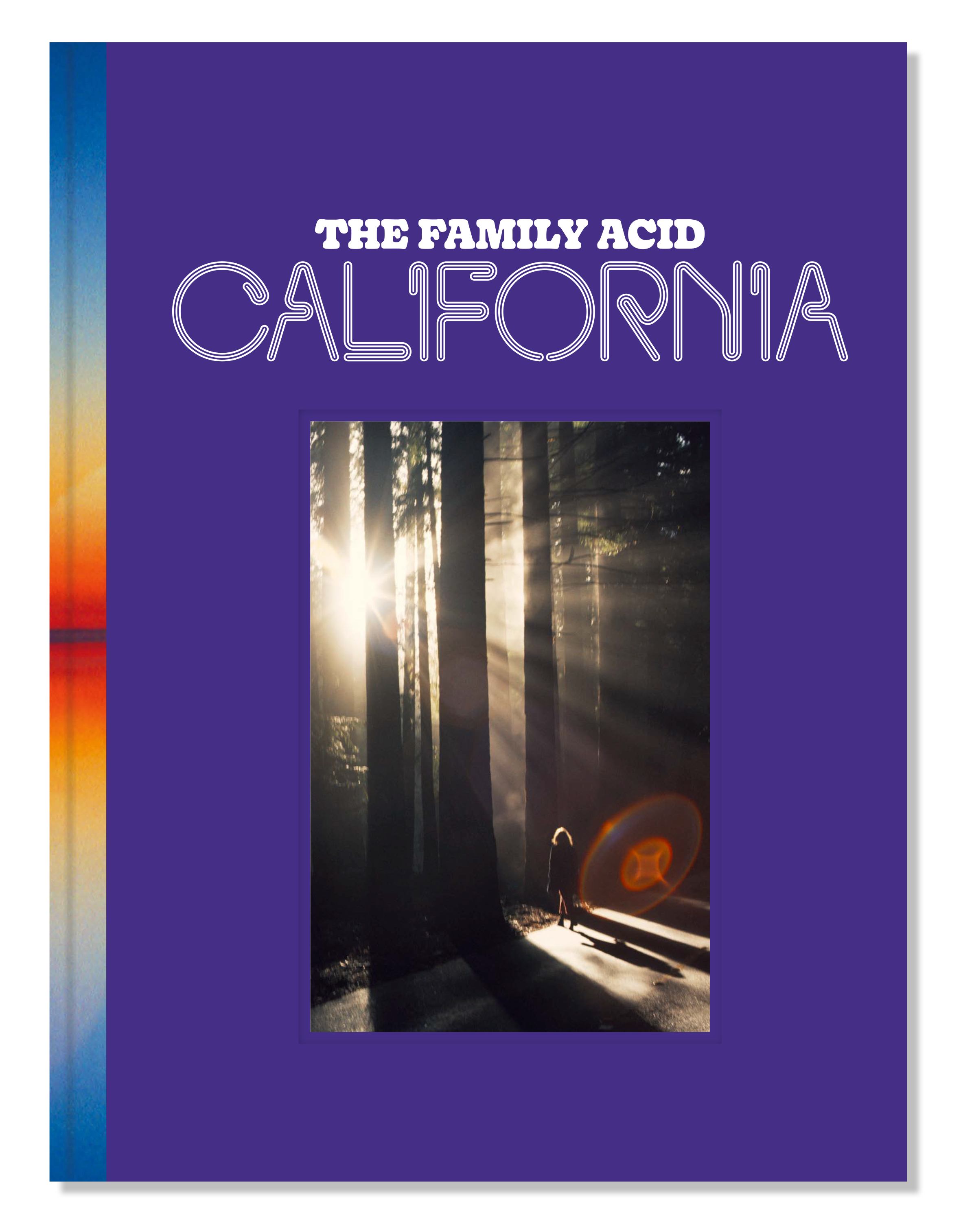
“I began The Family Acid thinking that family and friends might like to see my dad’s photos, and had no intentions to take the project any further than that,” she says. But the account went viral (Pip Usher wrote about the “the joyful freedom depicted in Roger’s unstaged photographs” way back in Broccoli Issue 03). Since then, the family has published several books of Roger’s photos, including California, a collection of photos from the golden age of the Golden State reissued by Broccoli.
In the conversation below, I chatted with Kate about the journey these images have taken, from passion project to printed work.
Ellen: When did these photos become more to you than “something my dad does”?
Kate: My brother and I grew up with our dad holding slide shows for family and friends, so we were used to seeing his photos, but we didn’t realize the full extent of his photo archive or its importance. In college, I studied the history of photography and got really into shooting and printing my own photos. That experience helped inform the new way I was able to see my dad’s photos, separating how I saw his work as simply “family” photos to looking at them from historical and art history perspectives. I think becoming an adult is what let me finally see dad’s photos as important, unique in style, and worth sharing.
Ellen: How has your expertise as a professional archivist influenced how you look at these photos?
Kate: It has made it more difficult because now I know all of the proper ways to preserve photos and need to implement those standards, but can’t because of cost. That said, the way that I choose photos hasn’t changed much. I’m looking for an image that grabs me, makes me think or laugh, or look at it in awe because I can’t figure out how he made it. Sometimes I choose an image because there’s something happening in the world that reminds me of something my dad shot years ago. A good example is finding parallels between his protest photos and imagery or sentiment from today’s protests. Another thing I love is when my dad revisits a place he photographed years ago and seeing the visual difference there between then and now.
Ellen: How do you approach curation for a book vs. posting on social media?
Kate: For a book, I’m looking for what I consider to be the most iconic photos my dad shot, whereas with Instagram, I am a little more free-wheeling. I’ve slowed down my posting; I think ethical and moral concerns with Meta are an issue for many of us that rely on Instagram as the main venue we use to share our work. This quandary is one of the reasons why I feel so lucky to have been able to edit and curate books of my dad’s photos outside of these billionaire-run walled gardens.
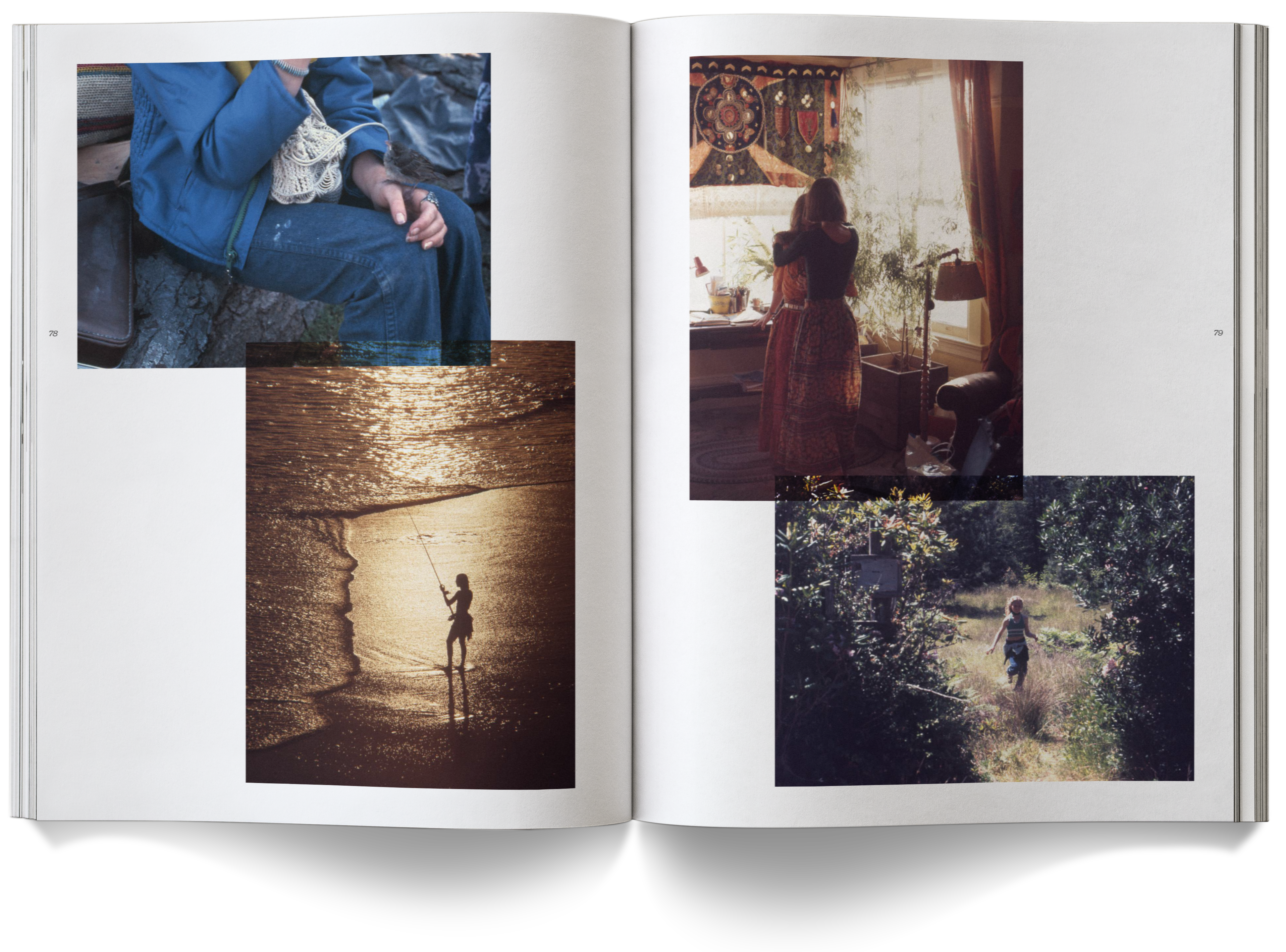
In terms of putting together a book, I love the collaborative aspect the most; getting to work with a variety of designers and writers has been a great learning experience. Receiving a copy of our book for the first time and seeing something that has lived in my head become a physical, tangible object is such an exciting moment. I often find myself reaching for our California book and enjoying the different lenses with which I view the photos depending on my mood and the day.
As a professional archivist, I can say from experience that physical media often outlasts electronic formats. In my day job, there are so many materials that we can’t provide to researchers simply because the type of disc or drive they are stored on is now obsolete. Having a personal library of physical media that I can use for research and pleasure is deeply important to me.
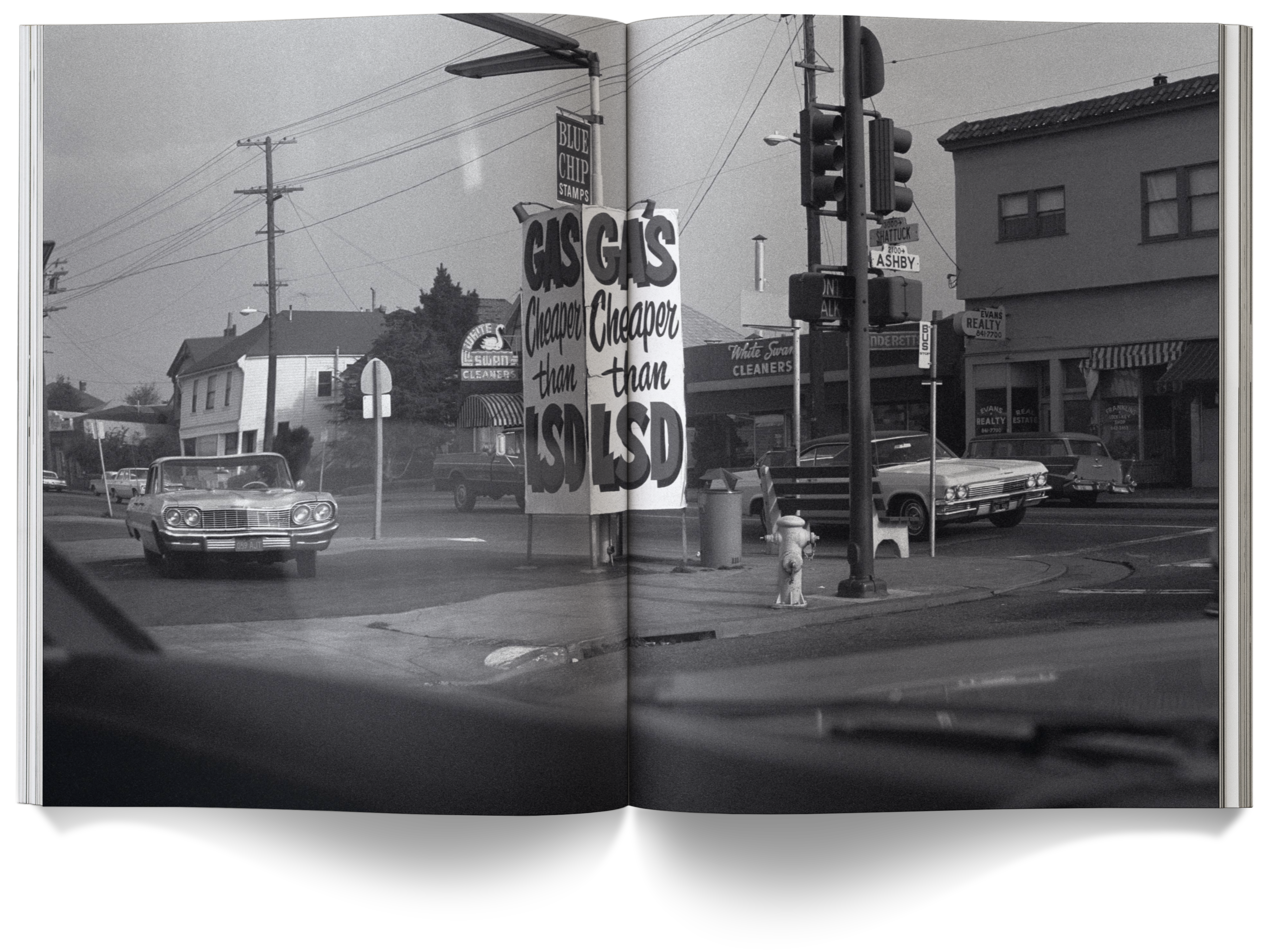
Ellen: How important do you think identifying the historical moment or the people in the photos is to the appreciation of the work?
Kate: I try to give as much contextual information as possible. I’m a huge fan of captions, and I hate going on social media and seeing photos posted without the appropriate credit or a photo removed from its context. One main reason I started this project was to catalog my parents’ memories so that when they are gone, these photos and stories have a venue in which to live on. I also love asking friends and family for their memories of a specific photo and hearing several different interpretations of the same experience; it speaks to the fallibility of memory but also the unique lens through which we all view life. That said, I think most of my dad’s photos can be seen as singular works of art or photojournalism and don’t need captions to be appreciated. The captions serve to enhance the imagery, not justify it.
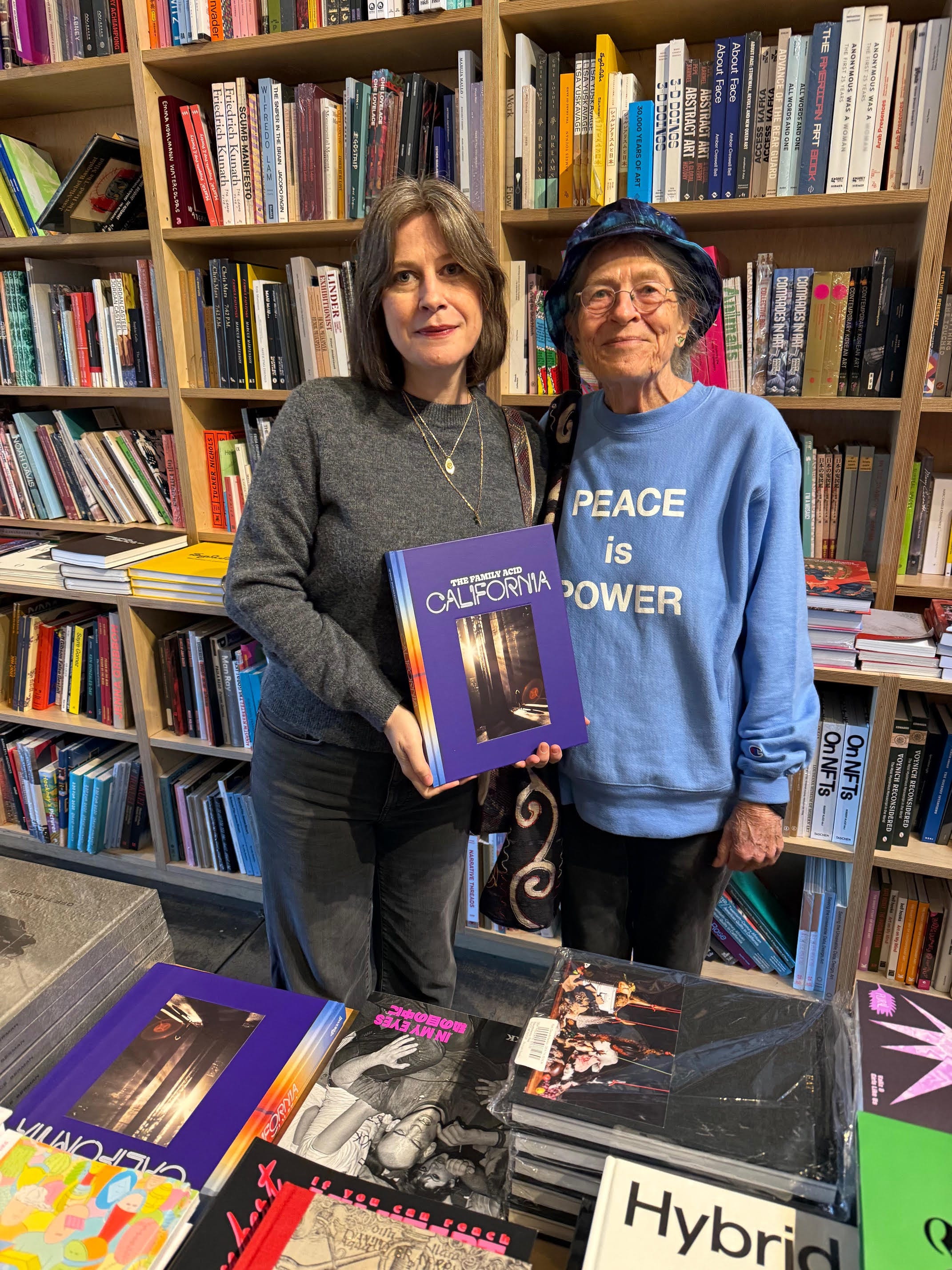
Ellen: We recently reissued California, a book of your dad’s photos of the nature and people of California taken from 1968 and 2015. Why is California so special to your family?
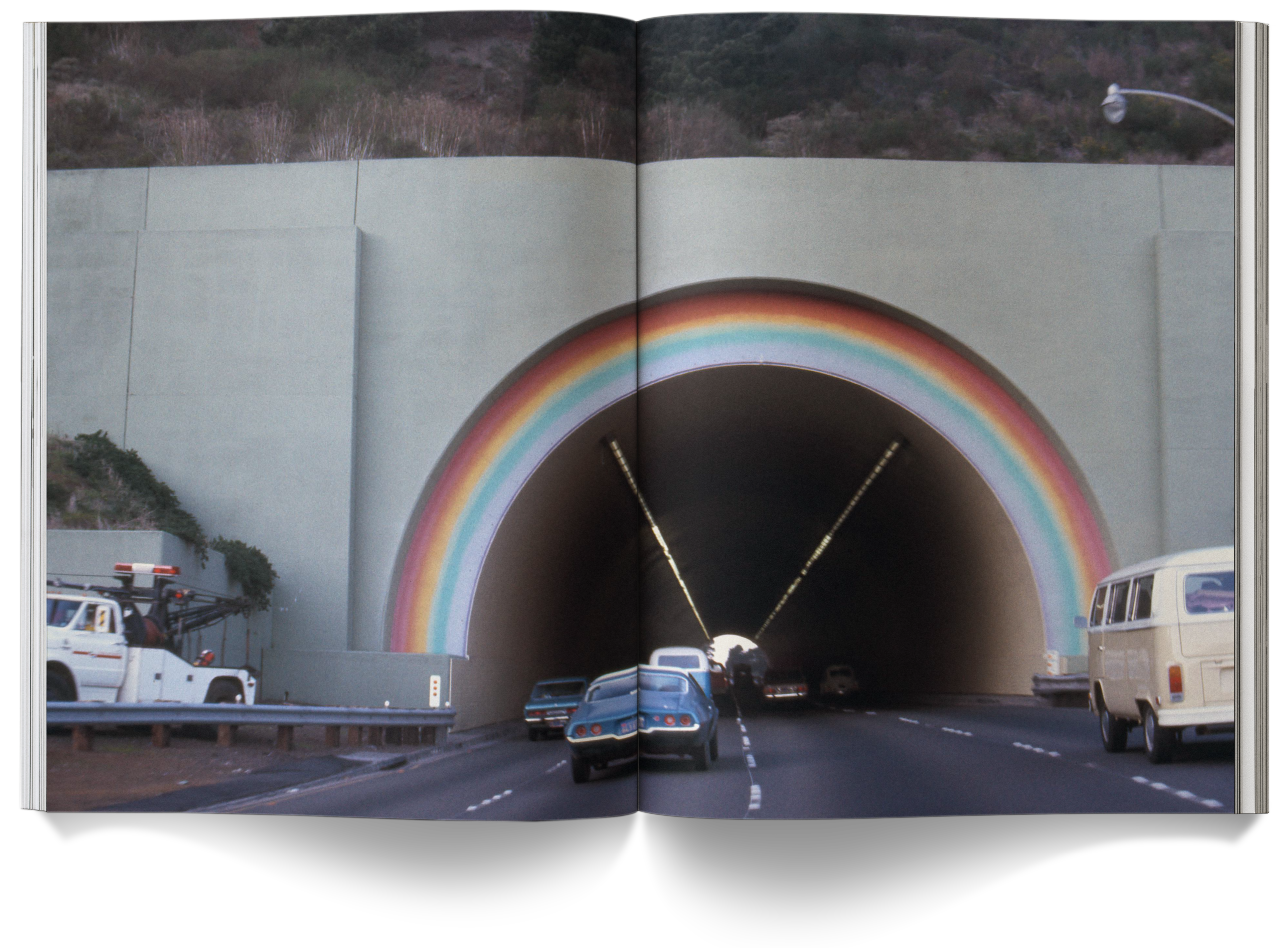
Kate: I am a fifth-generation Californian on my mother’s side and wouldn’t want to live anywhere else. My father is originally from Brooklyn, and he has been a California resident since the mid-1970s and would never leave. One of the things I sought to reflect in California is the diversity of people, land, and experiences. I curated the photos to evoke the mood of living here, where a single day may take you from the beach to the mountains, or from downtown L.A. to downtown S.F.; the feeling of driving down the Sunset Strip and seeing a guy in a kilt walking a pink poodle and then passing by Angelyne’s Corvette. I hate to be a stereotypical Californian, but it’s the whole vibe, man.
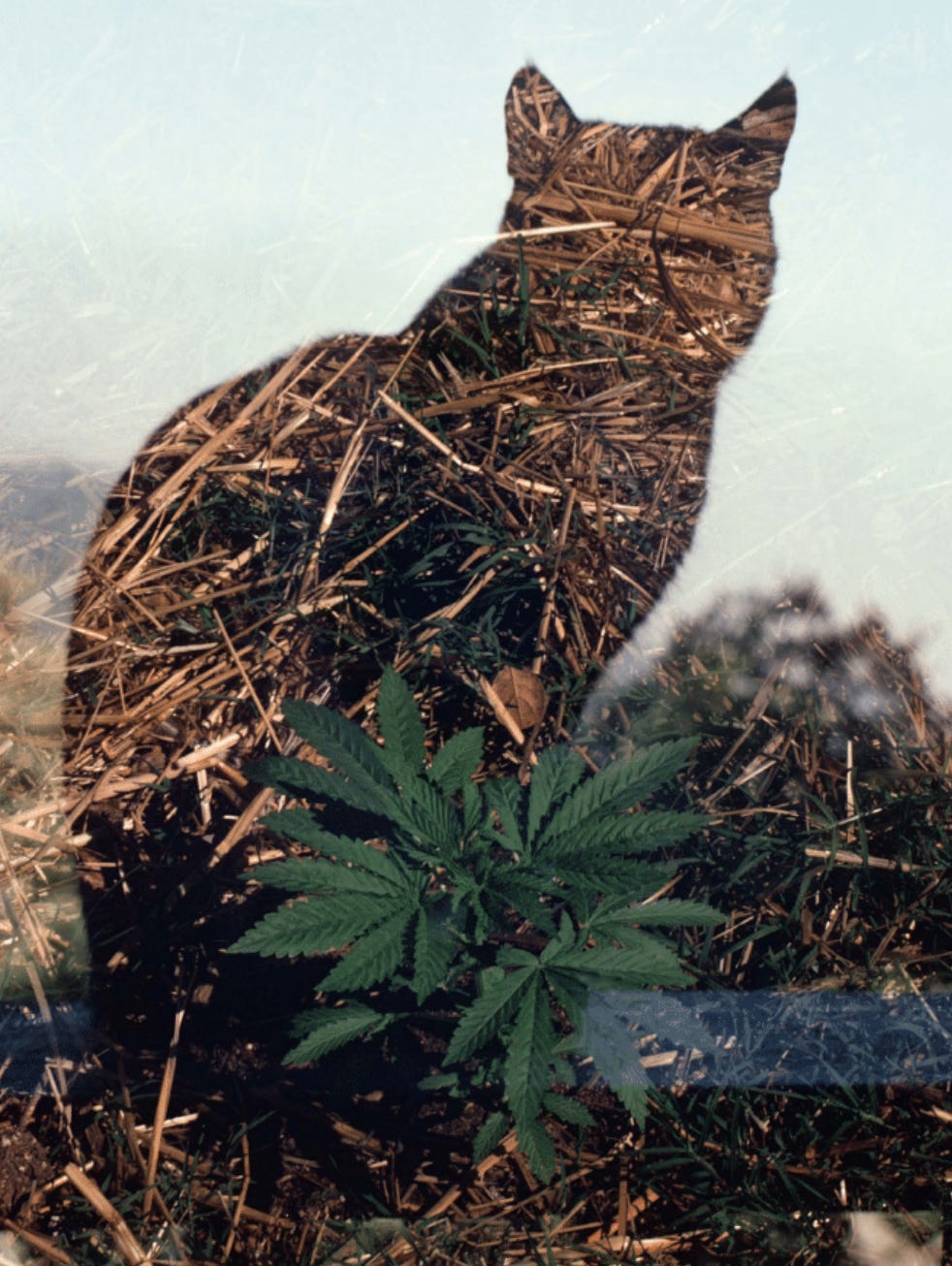
Ellen: We’re also working with you on a book of your dad’s double exposures. Why do you think he has played with that particular format so much?
Kate: My dad was the first person I ever saw shoot a double exposure. It wasn’t until I studied photography that I found out it was a relatively common technique, but one that required real skill to do in an interesting manner. One of the most special things about doubles is their surprise nature—you don’t know until the film is developed whether the idea you framed in your head comes out correctly. I think that my father’s psychedelic experiences are one of the reasons why doubles are so special to him—it’s a way to show visually what a trip can look like. Psychedelics influence my image curation in that you never know what photo is going to come next in our feed or our books. Similar to creating a mixtape, I like there to be something in a song (or in this case, image) that leads to the next, but that contextual clue may be something only I see or know about.
Ellen: What’s one photo that you feel captures your dad’s gaze?
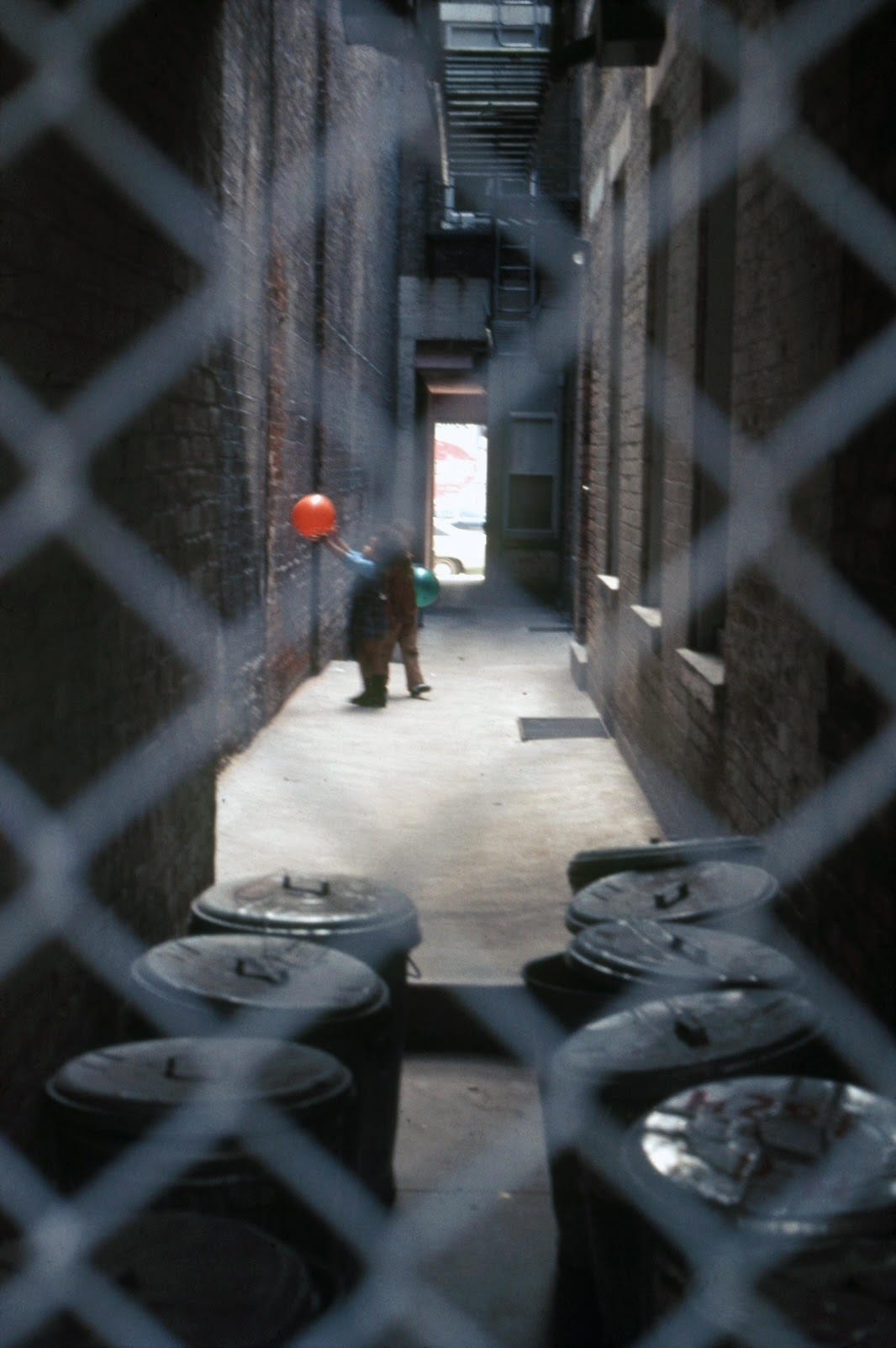
Kate: One of my all-time favorites that my dad took is of children playing with a red balloon in an alley in Cincinnati. It’s not one of his more well-known photos, but it captures what I love about dad’s eye: He sees these quiet little hidden moments of joy within the ordinariness of daily life. My father is a very positive, forward-thinking person, and that shines through his body of work. I can get caught up in negativity, especially now with our current political situation, so being able to immerse myself in his images helps me see that there is always a light, however small, at the end of the tunnel.
Explore The Family Acid: California here.
Get on the waitlist for The Family Acid: Double Exposures here.
Read Pip Usher’s profile of The Family Acid in Broccoli Issue 02 (only available for purchase outside the U.S.
Related posts from Publishing Dreams:
I love that photo of the kids playing in the alley. It's such a candid moment and speaks to the joy of children.