
Don't be a sellout
To reprint or not reprint...

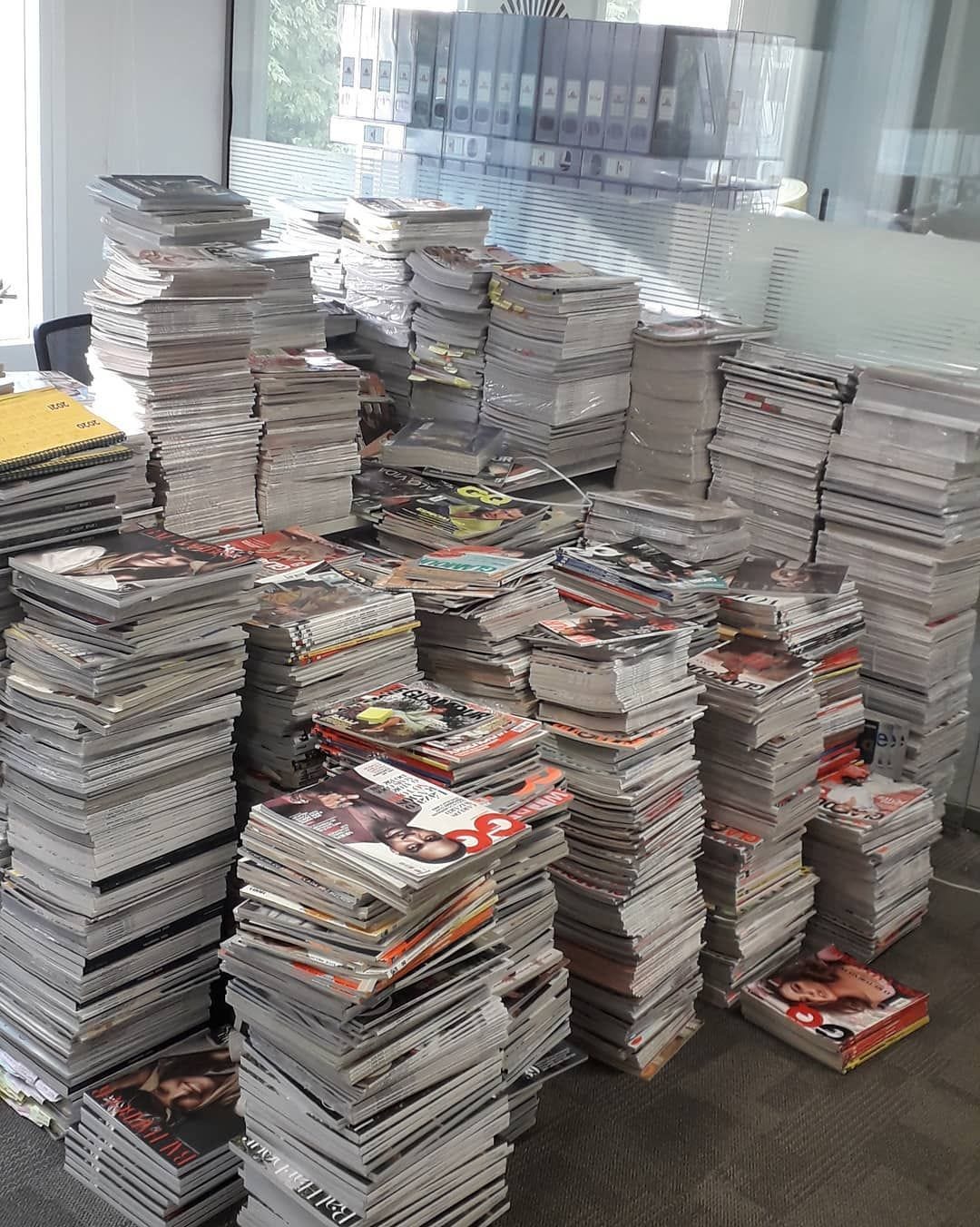
When I started making magazines, I assumed that selling out was a good thing—it was proof of a strong audience, a great thing to show advertisers, and it put a little healthy pressure on folks who might have been waiting to buy an issue to be first in line for the next one. And for the most part, it was.
When we began making Broccoli, selling out was always the goal. If I calculated demand just right, I could usually match my print order pretty closely to what I knew would sell, keeping costs (and profits) reasonably predictable. It also simplified our inventory management because we did not have to deal with the hassle of managing thousands of back issues. (We learned fast that once a new issue drops, people tend to stop buying the previous issue. The only exception is Issue 01s, which folks prioritize collecting.)
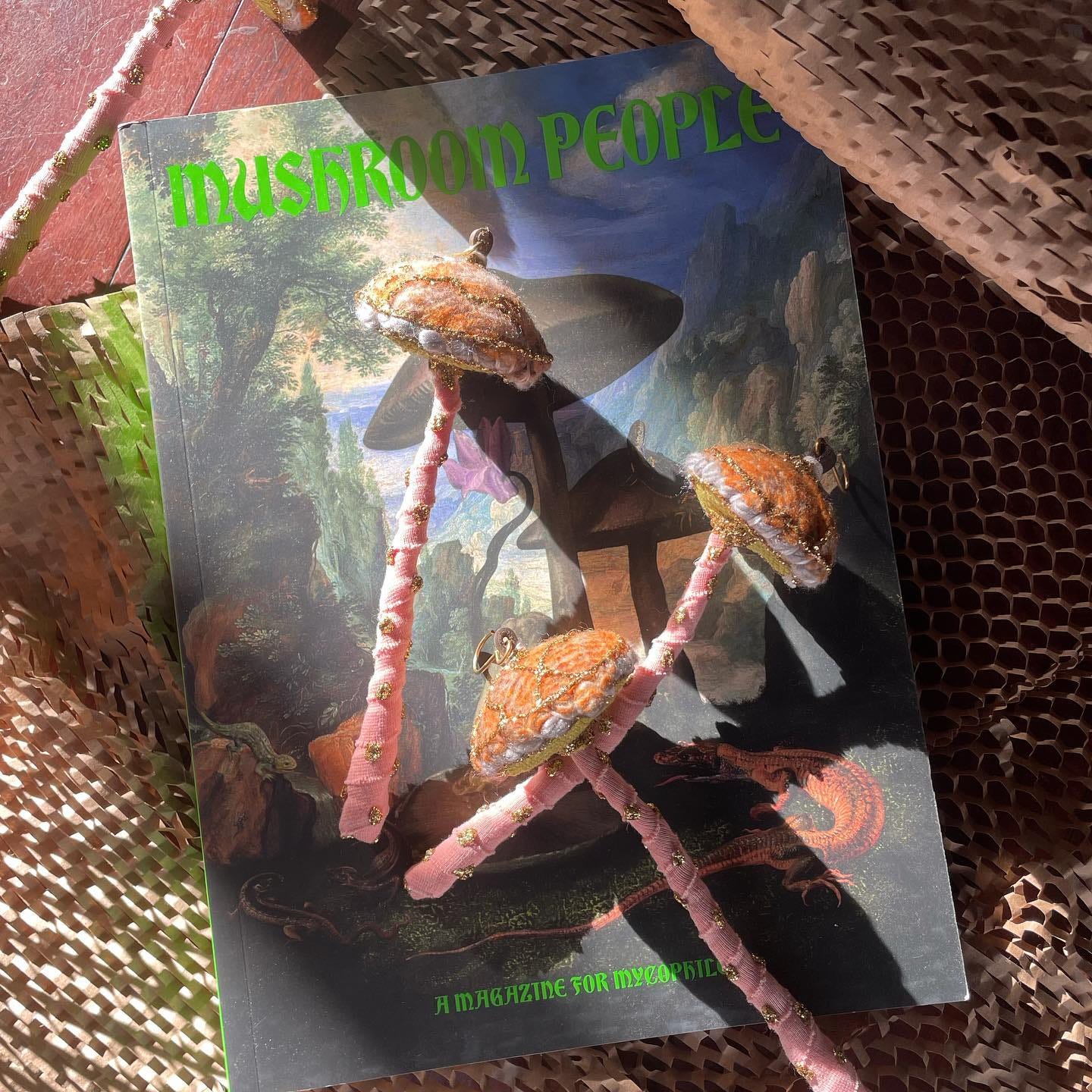
This is how we worked until we made Mushroom People Vol. 1. From the start, it was a very different project—we were stretching as a company into a second magazine that might never have a second issue, and we were undecided whether making it a limited edition might help it sell. It was a big experiment. At launch, it sold well; really well. And then it kept selling. As our first print run was running low, I had a choice to make. Should I let it sell out or order a reprint? I wasn’t sure if demand would stay strong, but it seemed foolish not to give it a try. I chose to reprint, and that decision has paid off. Mushroom People Vol. 1 is *still* selling well. It even outsells Vol. 2, which came out a couple of years later.
Making a magazine is really expensive, especially if you’re paying your contributors (this is something we feel very strongly about!). Most publishers aim to recoup their costs through sales, but few actually earn a profit. Breaking even isn’t sustainable, and most publishers lose momentum after a few issues because they have to focus on work that actually pays their bills. (Turns out, it can take a reaaaaaallllly long time—years, even—for folks to find a magazine.) So if you want to keep making magazines, it’s in your best interest to get the strongest return on investment possible from each issue you make. That might mean slowing down your publishing schedule and considering a reprint before rushing to publish the next issue.
If an issue is popular enough to sell out, it’s worth asking if there is enough demand to sell more.
Success depends on meeting the moment. Shopping is an inherently fickle activity, especially for nonessentials like art books and magazines. (I mean, they’re essential to me, but I can’t make dinner with them.) If I go to a website and a magazine is sold out, chances are I’ll click away and forget it exists. If the shop owner is smart, they’ll have a waitlist notification on the product page where I can add my email and get notified when it’s back in stock. Still, that delay is costly. By the time I get the restock alert, there’s a decent chance that my consumer whims have settled elsewhere. (We see this all the time because we use a waitlist feature on our website.) Letting a magazine sell out loses both casual shoppers and those who really want to make a purchase. As a business, we can’t afford to lose those customers.
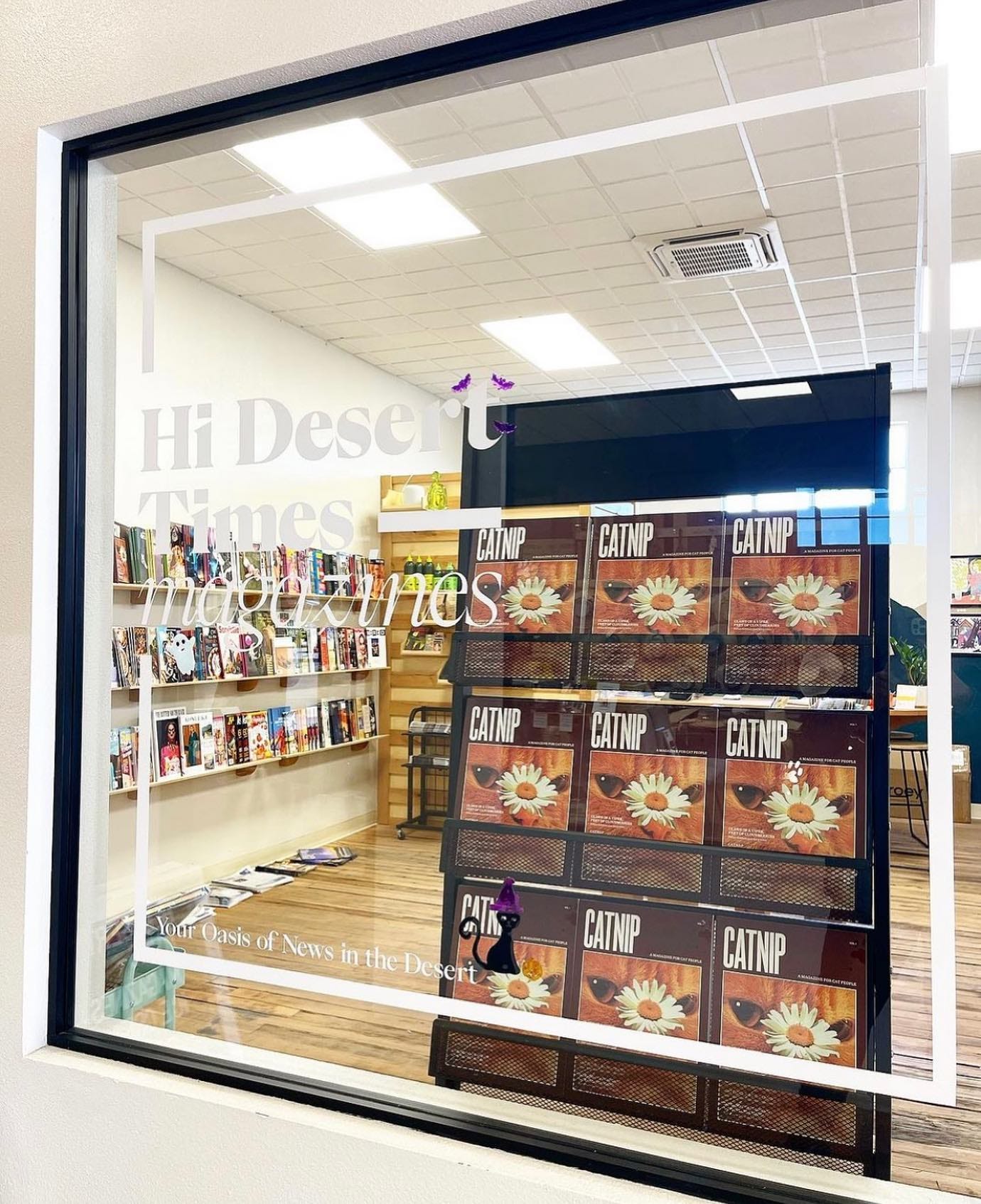
Now, for new releases, I print in large quantities to meet demand and take advantage of our printer’s bulk order discounts. Thanks to years of experience and sales data, I’m pretty good at gauging reader interest and estimated reach, but there are still surprises. Catnip Vol. 2 has been super successful, and it’s boosting the sales of Vol. 1. Magazines are flying off the shelves faster than I anticipated, and I’ve had to place reprint orders for both editions to keep us well-stocked through the holidays. Right now, I’m spending thousands of dollars to rush-ship copies via air freight directly from the printer to the warehouse—something I didn’t budget for. It’s temporarily hurting my bank account, but as people love to say, “It’s a good problem to have,” because the overall math works in Broccoli’s favor. We stand to make much more than we would have if we let our stock run out or did a limited print run.
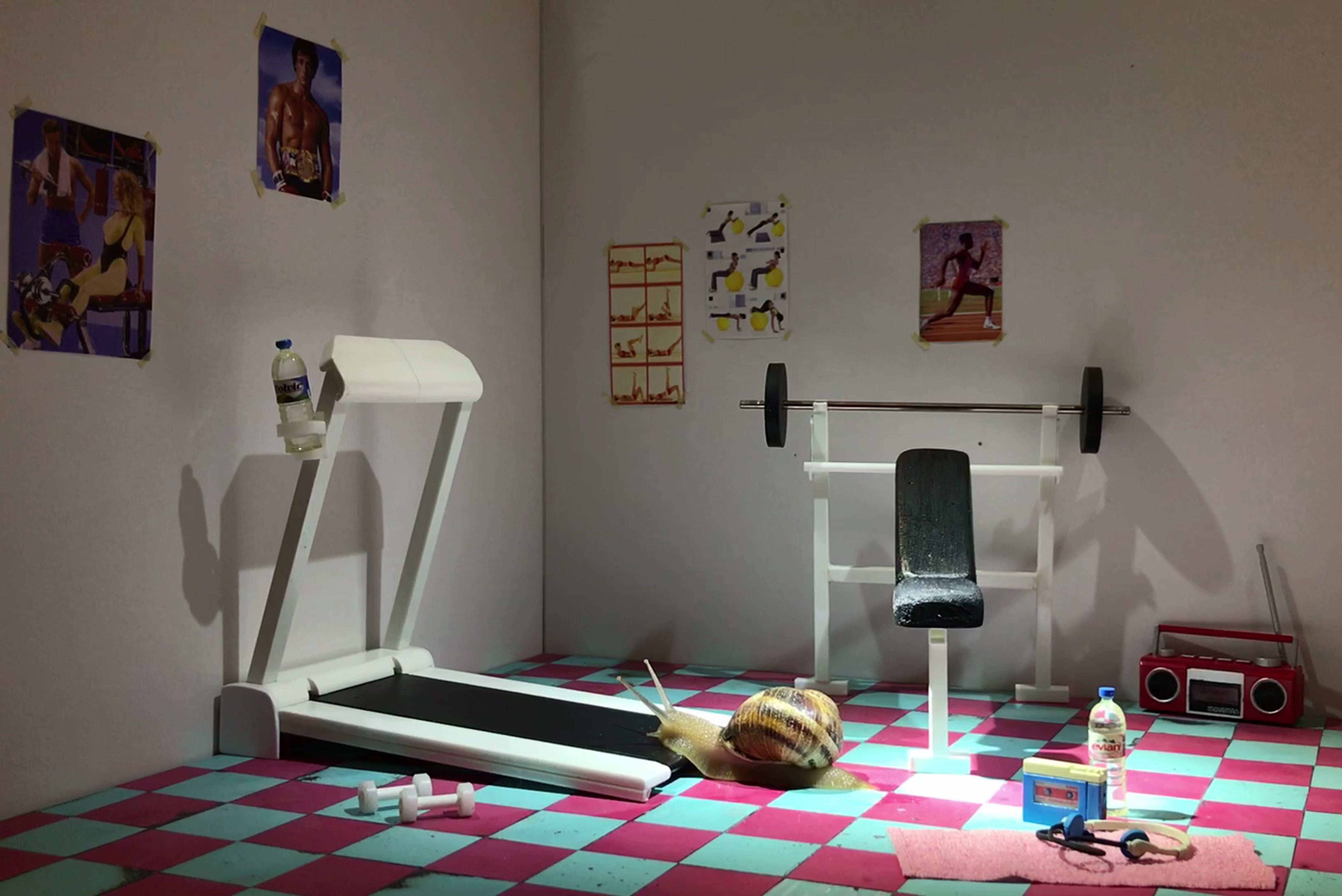
These experiences are why I urge magazine-makers to embrace reprinting. If reader interest is strong, don’t let your magazines sell out. See how far you can stretch the value of a single issue, and do what you can to create momentum without rushing so quickly into the production of a new issue. Follow the example of Velveeta, star of Snail World, because slow and steady wins the race!
Read more on the business of indie publishing:
I literally just emailed the printers about doing a reprint run of back issues while coordinating my upcoming Moon issue launch so this was very validating!! Thank youuuu!
Thanks for sharing your experience. And the lovely Hi Desert Times photo 🥰🥰🥰