
Meet Heartbeat
Why we made a music magazine

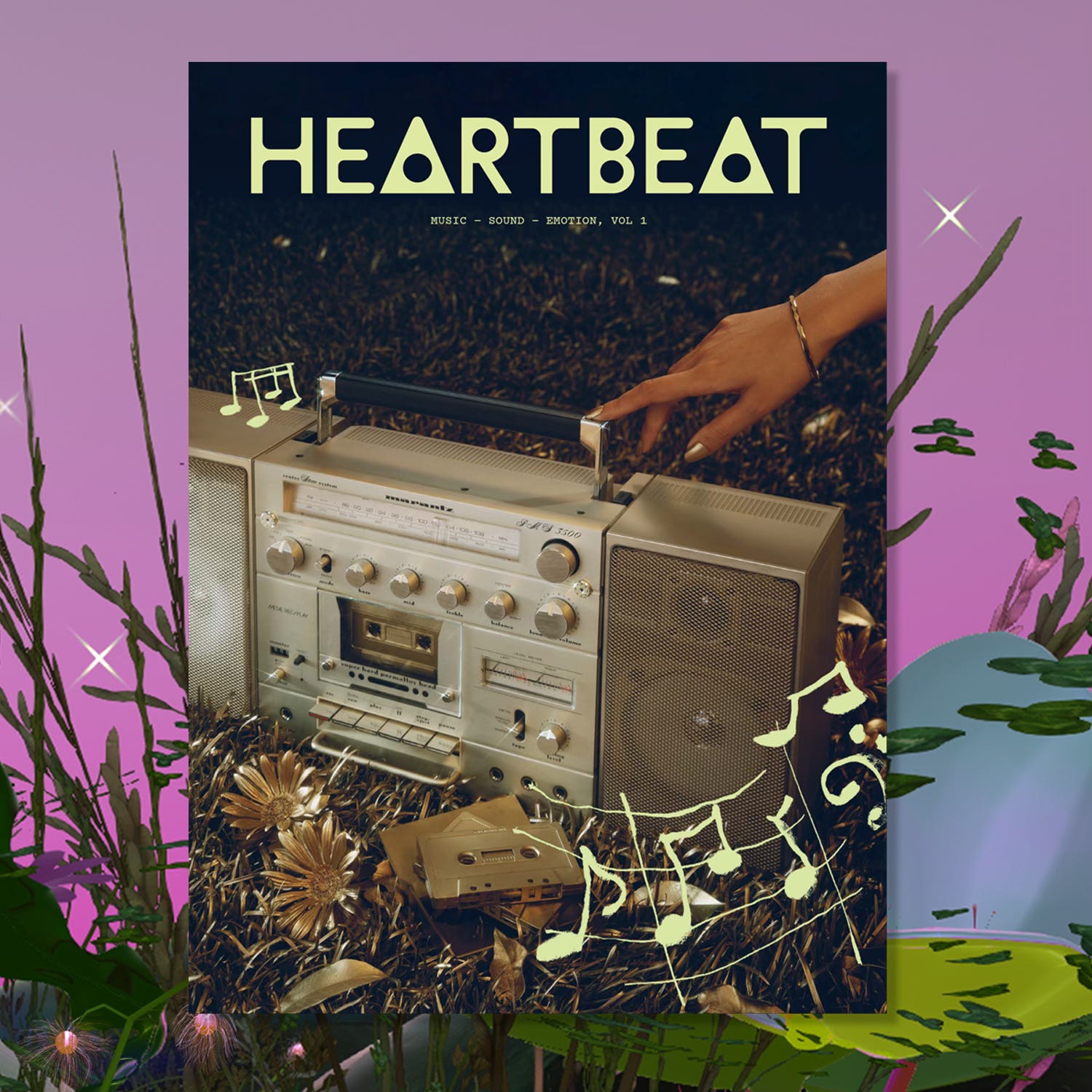
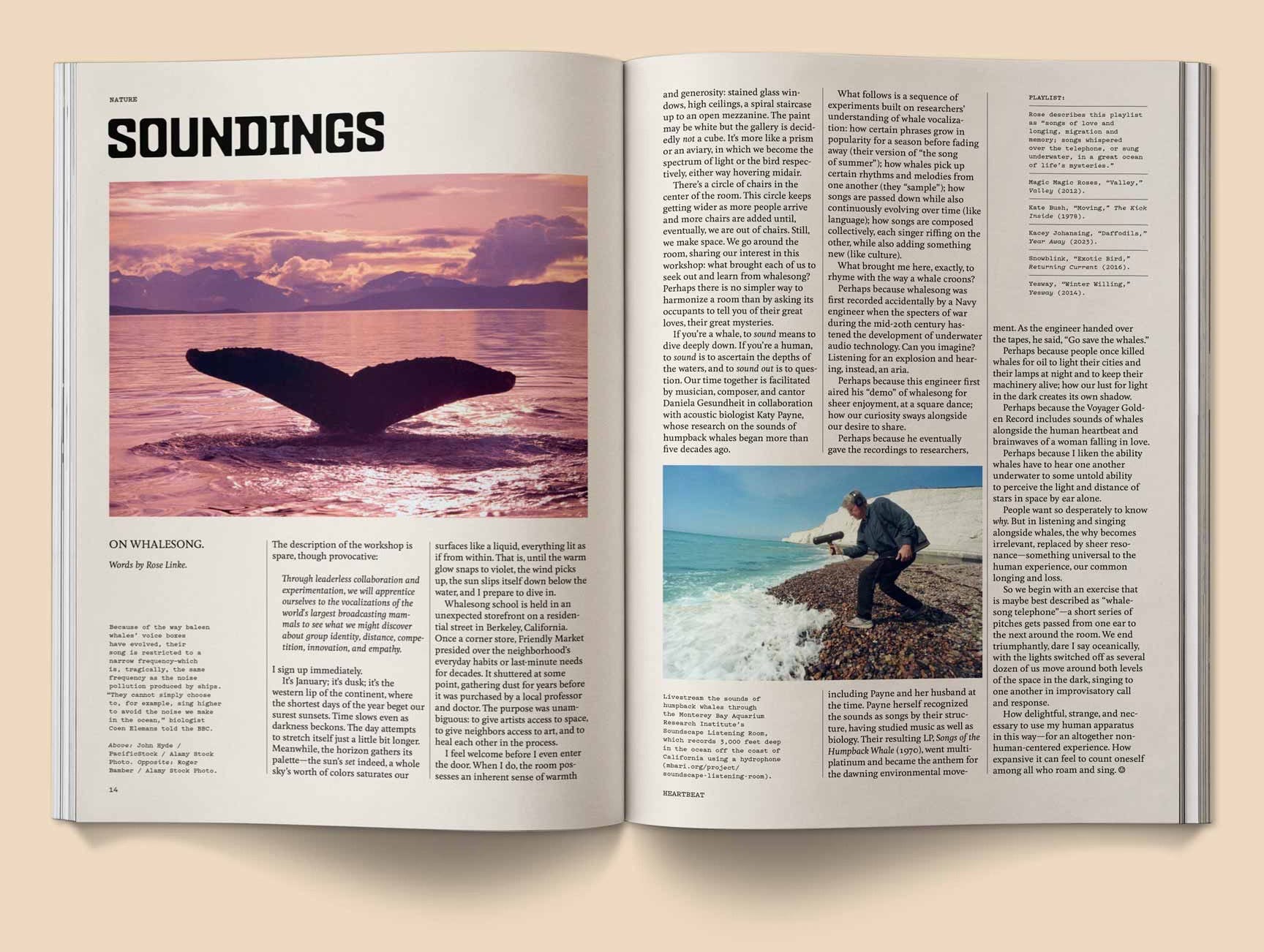
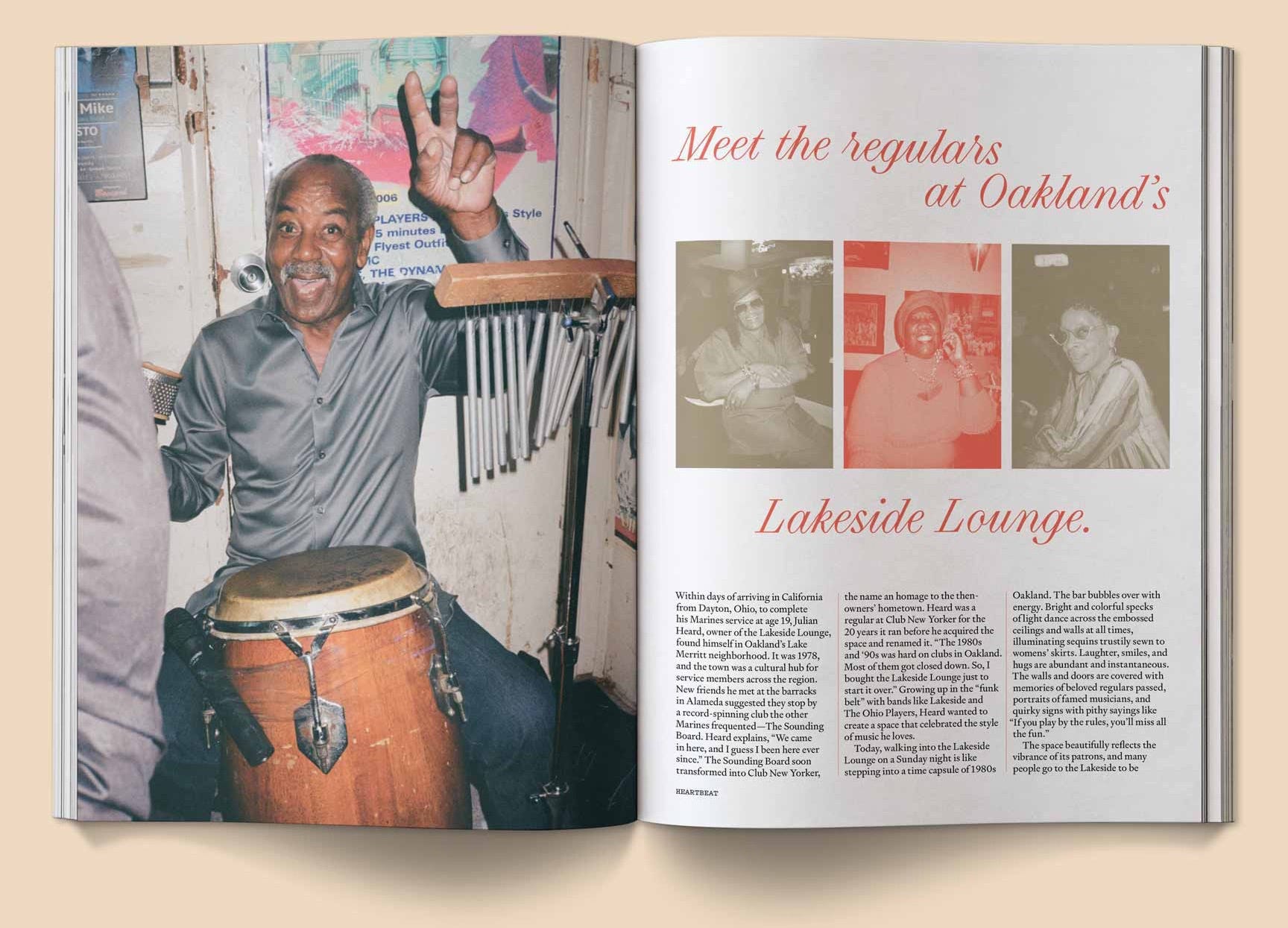
Heartbeat, Broccoli’s newest magazine, launched this month. It’s a hefty, gorgeous, print-only exploration of music, sound, and emotion, and the fruit of more than a year and a half of work from contributors around the world. In its pages, you’ll find stories on Brazilian record collectors and regulars at an Oakland club, cellists and voice artists and gibbons and whales, sound as touch, legendary musicians, and so much more.
Below, the Broccoli editorial team—Anja Charbonneau, founder, creative director, and editor in chief, me (Stephanie Madewell, editor), and Ellen Freeman, deputy editor—discusses how three amateur listeners ended up making a music magazine.
[Opening chat redacted, involving Halloween costume plans and decorative gourds.]
Stephanie: All right, so besides moth costumes, we convened this meeting to discuss how Heartbeat, Broccoli’s newest magazine, came to be. So let’s go back. It’s January, 2024. The news breaks that Pitchfork is being subsumed into GQ, and people are upset. Anja, I think you shared on Instagram stories saying that you wished that someone would make a great print music magazine.
Anja: That’s true.
Ellen: Yeah, I forgot about that.
Anja: I wasn’t a Pitchfork reader myself, but I was interested in the way people were reacting to the news, seeing people get really emotional, and not necessarily because they thought Pitchfork was perfect. It was having an impact because so many people feel so connected to music.
Stephanie: We all agreed that we had never really found a music magazine we loved, and we started talking like, “Well, wait a second—what if we made a music magazine? What would that look like? What would we want it to do? What stories could we tell?”
Ellen: We were thinking a lot about nonalgorithmic ways to discover music.
Anja: And I was like, “Well, I don’t want to make a music magazine.” Then I went to sleep. And by the next morning, we were in our chat, throwing around ideas, imagining a Broccoli perspective on music, which instantly led to it not being a music magazine, but a sound magazine.
Stephanie: And that was the start of Heartbeat. Music wasn’t the most obvious subject for us to make a magazine about, though. It isn’t something we share much with each other.
Anja: Even after making the magazine, I only have a vague sense of what you both like to listen to, which is funny. We don’t work together in person, so we don’t have that moment of being like, “OK, it’s your turn to pick a song” in our little Broccoli office. That space doesn’t exist for us.
Ellen: We’re not driving in the car together.
Anja : But because we don’t have that shared knowledge, we immediately knew our editorial approach would be genre-agnostic, which is a really important part of Heartbeat, I think. It wasn’t about what I like or what you like. That wasn’t the point.
Stephanie: That’s probably the signature Broccoli editorial twist. Instead of being passionate experts about a subject, we’re curious. We want to know more. And the magazine format gives us a way to invite people in to explore and share.
Anja: Hearing you say that, I’m wondering if that’s one of the key differences in our editorial approach, that idea of being interested vs. being passionate. When someone is pitching and they are very passionate about a story, it’s sometimes a red flag. They’re already so devoted to the idea that they’ve lost some curiosity.
Ellen: When you are passionate, you often assume knowledge that other people don’t have, so you’re not coming at it from a place of discovery.
Stephanie: Yeah, and coming from that place of discovery is essential. One thing at the heart of every Broccoli project is not requiring readers to have special insight or understanding to appreciate what we make. Music writing often suffers from this; it can bristle with obscure and specific references that have to be decoded. For Heartbeat, we wanted something different.
Ellen: No “jangly” guitars. (I think I first heard of jangly guitars on Pitchfork.)
Stephanie: Haha, yes. If you strip away the references and clichés, what happens? How do you actually explain a sound?
Anja: Yeah, it’s a fun challenge for writers, to actually describe the experience of what something sounds like. Sound is a specific sensory experience, then you have to translate it into a totally different format—writing. It’s not easy to do.
Having stories be about sound and not specifically music opened up a lot of possibilities. If you’re writing a feature like Ellen’s Mexico City Sound diary documenting what you hear in a given day, you can’t lean on album references to describe the call of the scrap metal guy. You have to bring me there through your words to help understand what you’re hearing.
Ellen: I think that’s where emotion came in. Because what we’re really talking about communicating is a feeling. What feeling does this music or sound give you? What moment does it connect to in your life? Music is so hard to write about, but we can all connect with an emotion or a feeling.
Stephanie: So we knew we wanted to make a magazine that was about more than just music. It was going to encompass sound and use emotion as the throughline. Every story in the magazine would be tied to feeling, whether it was love or longing or fear or remembrance.
It was time to decide on stories. What were we going to put in it?
Anja: I knew I really wanted it to have birds. From the start, I wanted nature to be strongly present because I find it endlessly interesting. It’s a major theme in all of our projects. And nature sounds are so cool, because we can’t really interpret them properly. We can only do our best to understand them. So I really wanted birds. In one of the early pitch calls, I was like, “Birds. What are they talking about? Please, someone tell us.”
Stephanie: We’ve got birds! Owls and mechanical canaries. Not to mention whales and gibbons and the crash of falling trees and sounds from the bottom of a pond.
Anja: I’m glad that we have a lot of really interesting nature-forward stories.
Ellen: Heartbeat has an unexpected climate undertone. It wasn’t intentional, but when we were proofreading it, I was really struck by it.
Anja: You can’t escape your reality even if you’re talking about something completely separate.
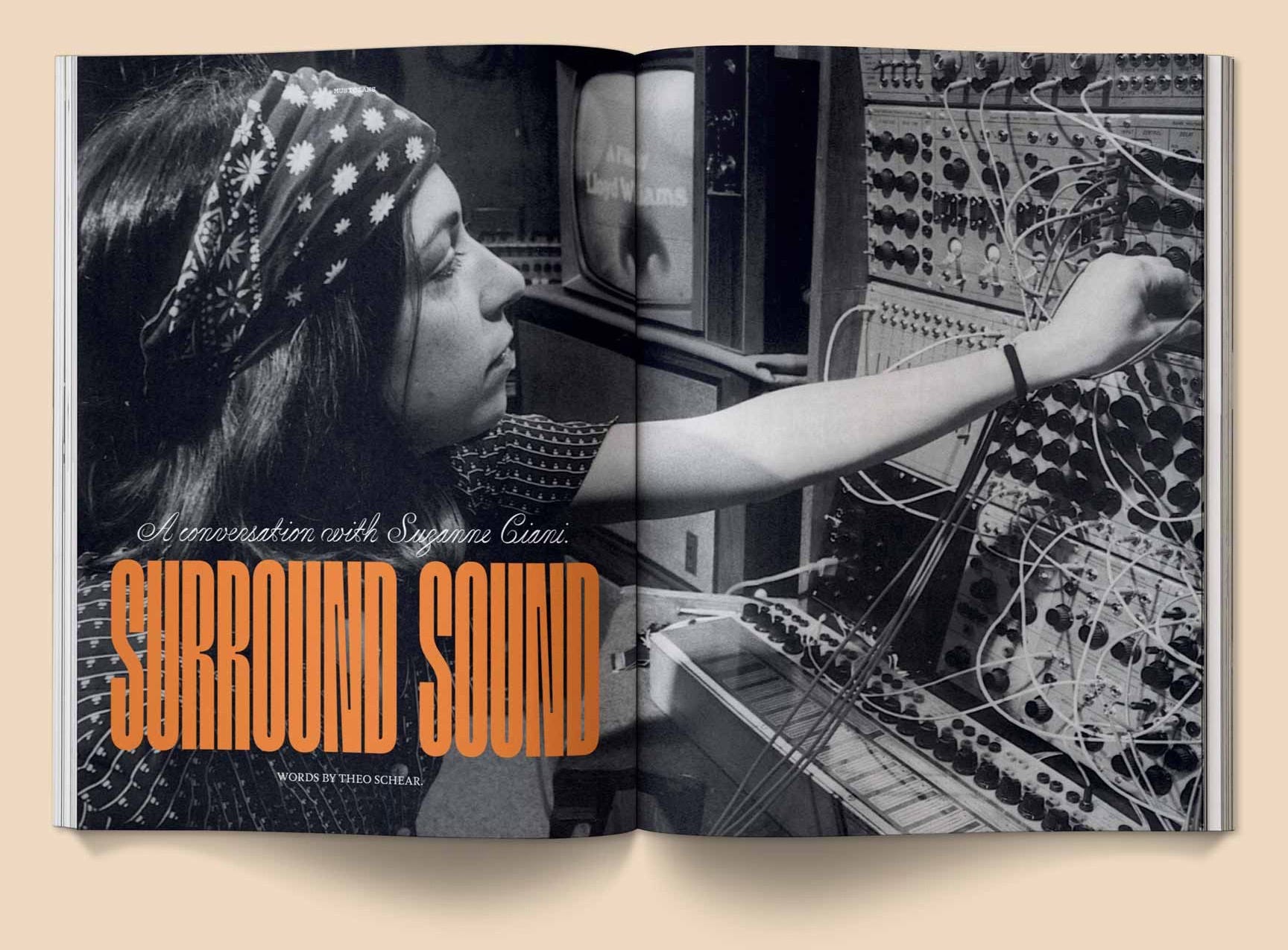
Stephanie: Print definitely carries the residue of its time. And whether or not climate change is front of mind for folks, it is shaping the world we live in, and that’s influencing how people think and notice. I think that’s why climate is a leitmotif in the magazine.
Editorially, the stories are a very deliberate, very wide mix. We did say no to stories that people would be shocked to learn we rejected, though.
Ellen: We could have had [REDACTED CELEBRITY] on the cover.
Stephanie: We passed on that one really fast, haha. We definitely did not want the magazine to be about celebrities. And we knew early on that there would be no record or concert reviews—no ratings or stars. We were not positioning the magazine as a judge or critic.
Anja: No.
Ellen: It became like the magazine version of a mixtape.
Anja: One of the things I’m telling people is that they will find something new in Heartbeat. I don’t care how music-obsessed you are—you’re going to discover things that you haven’t heard of before.
Stephanie: We definitely intended it as a listening tool.
Anja: I hope it gives people a way to discover new sounds. A lot of people are quitting Spotify, quitting the apps. And many people featured in the magazine engage with music in nonalgorithmic, analog, real-world ways, like the record collectors and people at the club listening to live music. I hope it inspires readers to get out there and connect with music and sound in ways that they aren’t already. It takes effort, right? Anything that is creatively rewarding takes effort, and that’s true with listening, too.
Stephanie: That idea of listening intentionally instead of incidentally is powerful; to give yourself the experience of tuning into an album or a bird that’s singing outside instead of just letting the sound be there. I hope that the magazine inspires people to practice deliberate, conscious, focused listening.
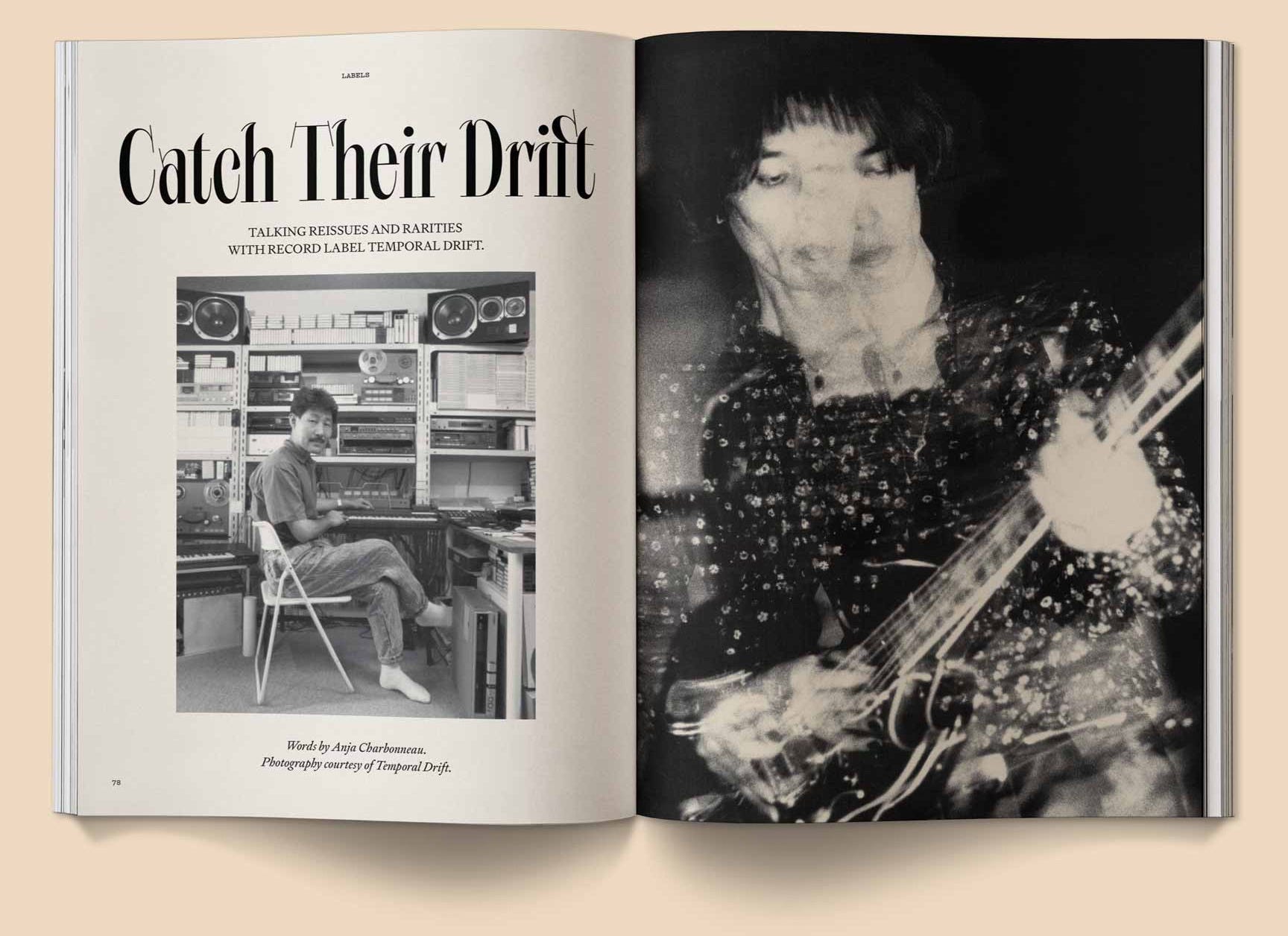
Ellen: Rereading Heartbeat, I felt overwhelmed by the amount of things that I wanted to listen to. I started making notes and writing things down so that I wouldn’t forget them, but there’s just so much.
Anja: It’s absolutely our densest publication ever. There’s a playlist for almost every article. To me, that sort of reflects the beauty of what a magazine can be. You really shouldn’t just read Heartbeat all in one go—it’s something you should enjoy in smaller doses. After you read something, put it down. Go do some exploring. Come back when you’re ready for another vibe, because there are so many trips you can take from each article.
Ellen: For every story in the magazine, it’s not just, “Here’s a thing that means something to me.” It’s more like, “I want it to mean something to you, too. I want to share it with you, and I want you to experience it in the same way.”
Stephanie: It’s a very tender thing, shipping it out. A little like sending a kid off to school. We just hand them their backpack, wave at the door, and hope they’re gonna go out and make some friends.
Anja: It will be interesting to see how Heartbeat gets around. We’ve discovered after eight years of publishing that magazines need a lot of breathing room to find their readers, to spread around the world into homes and stores. And that process is so slow. But the longer you can give it, the better. It’s so exciting to see how long something can last and feel fresh. And, of course, because our editorial is evergreen, Heartbeat will be fun to read for a long time. In the beginning, though, I thought that Heartbeat would be an annual magazine, which now I’m like, haha.
[Groans and laughter.]
I never want to make an annual magazine; it’s too fast. But you know what? A second issue would be so much easier because we already have a design structure and story formats and the technical aspects of editorial established. So we have this beautiful framework that we could work within. And you usually get even better pitches the second time around because people have had a chance to experience what you’re trying to share and understand it better. You have a broader pool of people engaging with it. So I hope a second issue happens, but it won’t be for a while.
Speaking of time, I guess we didn’t really touch on the fact that Heartbeat looks backward and forward in time.
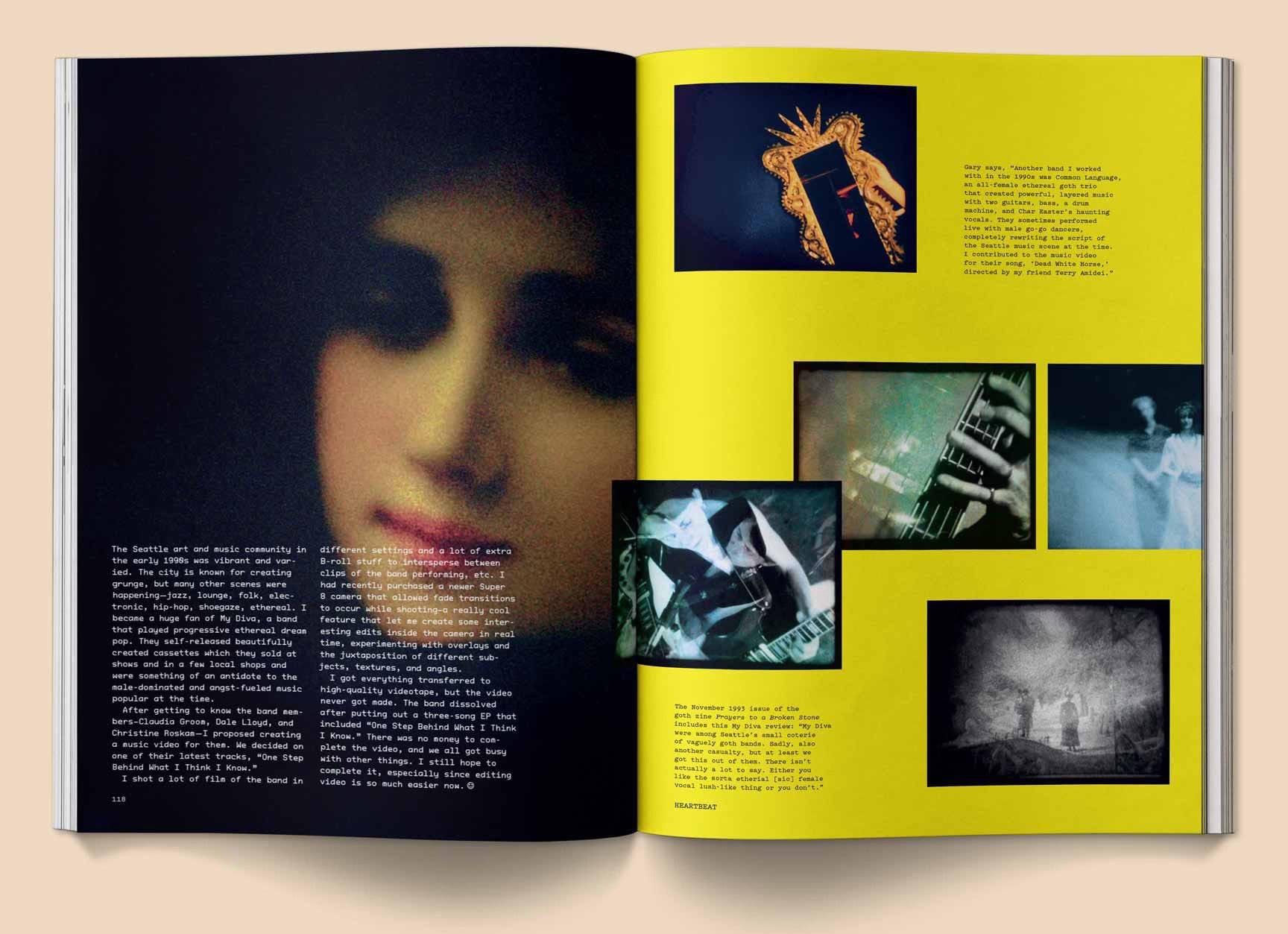
Stephanie: We were time-agnostic as well as genre-agnostic. We have stories that talk about everything from 90’s music videos that have never been seen to futuristic Japanese music recorded decades ago.
Ellen: Yeah, and there are features on bands and performers that you can go see now, but also people who lived in olden times, making glass flutes.
Stephanie: And people making glass instruments now.
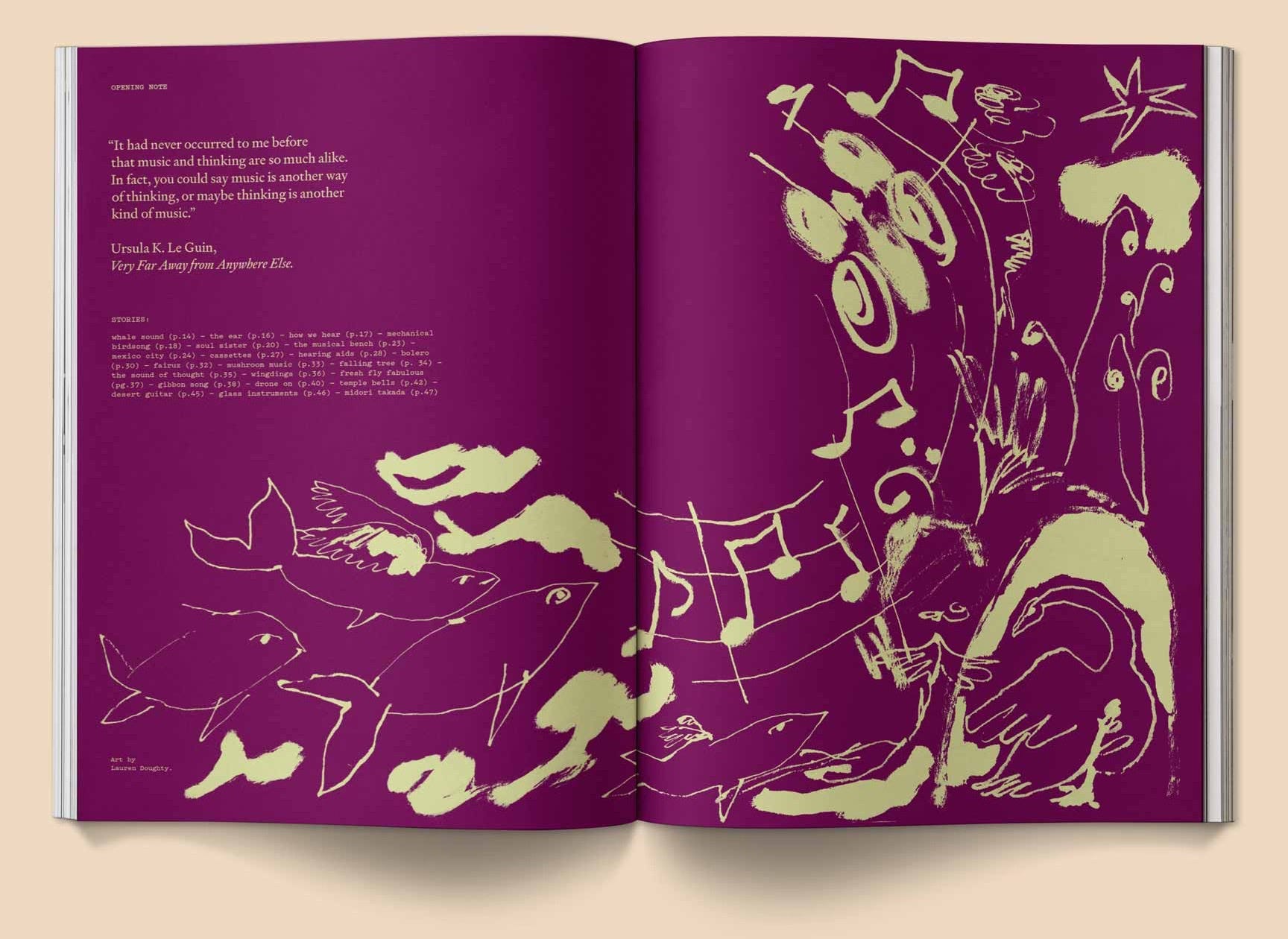
Anja: And on ancient practices still done today, like the bell foundry in Kyoto. I also love that there are people of many different ages in Heartbeat. The youngest person featured is a teenager, and there are folks in their 70s and historical figures. It’s nice to see that range when you’re flipping through the pages—a lot of different people that clearly come from different backgrounds and different places in the world. If you’re picking this up in the store, you see right away that we are not striking just one note. It’s a chord.
Stephanie: And we hope it strikes a chord with readers.
[Collective laughter; we do love a corny pun.]
But really, this idea of a chord makes me think of something. One of my favorite pieces of music is “Mad Rush” by Philip Glass. It is a composition of indeterminate length—it was composed to be played as an introduction for the Dalai Lama, but no one knew how long it would take His Holiness to arrive. So the piece is designed to keep going and going, as long as need be. I heard it for the first time in St. Paul’s Cathedral in London, performed by the organist James McVinnie, and I was taken completely by surprise. The sound was like being caught in a massive wave, and just like waves, the notes kept rolling in. It reverberated through the floor and air—I could feel it through my feet and chest—and I did not know where the music was going to go, how long it would last. As I listened, I saw my life in my mind—the whole span of time I had existed on replay, highs and lows, all in this music. It was incredible.
I think we are hoping, in a small way, that Heartbeat is like that. It’s designed to be picked up and put down, to go on infinite replay or just be enjoyed in small bites. We hope that it has enough gradation and texture and surge and ebb in it that whoever is reading it can just get carried away.
Anja: The end.
Or the beginning? It all depends on the reader. You can pick up a copy of Heartbeat here; if you read it, drop us a line—we’d love to hear what you think.
I stumbled on this magazine two days ago and it’s made me so happy. Excited to share it with friends. Thanks y’all!
Wow I love this project. Are you looking for any submissions right now?